
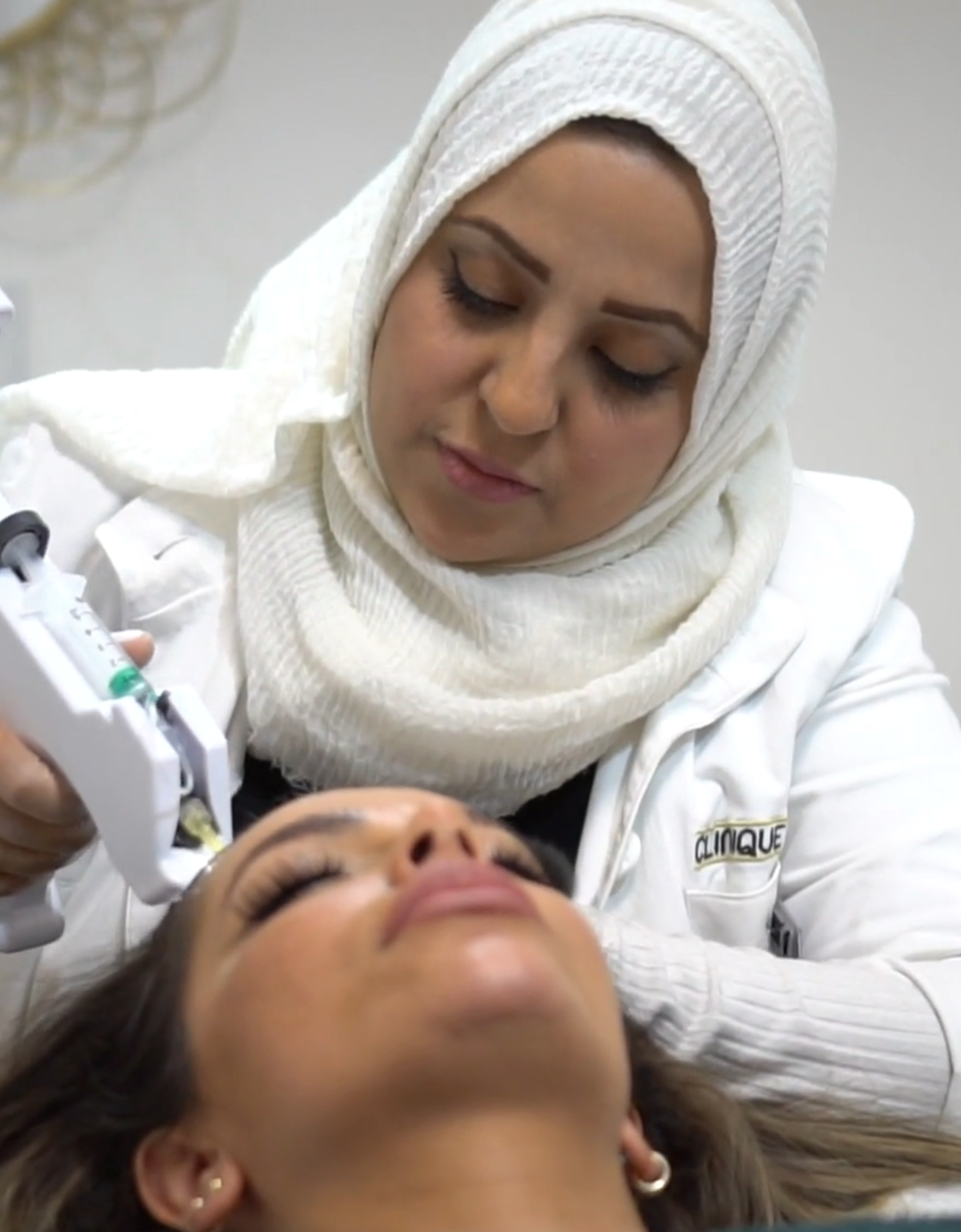
More about hair loss
What is hair loss?
A person has an average of 100,000 hairs on their head, of which an average of 50-120 hairs fall out each day. This is often the normal growth process of hair, as old hairs make way for new hairs. Hair grows in cycles, namely the anagen, catagen, and telogen phases. On average, 80-90% of the hair on their head is in the growth phase (anagen phase). The anagen phase lasts the longest, often between 2 and 7 years (the longer your hair, the longer this phase lasts). Various factors, as mentioned below, influence this. After the growth phase comes the transition phase (catagen phase), which is the shortest, lasting approximately 2-4 weeks. 10-15% of the hairs are in the catagen phase and will transition to the resting phase (telogen phase). In this phase, the new hair will begin growing again while the old hair remains in the hair follicle. The telogen phase lasts an average of 3 months, after which the hairs fall out (exogen phase). After this, the hair growth cycle starts again at the anagen phase and the cycle will repeat itself.
However, some people lose too much hair, which often causes it to thin. Too much hair enters the resting phase (telogen phase) and eventually falls out. So, you want to make sure the growth phase (anagen phase) lasts the longest, so you lose as little hair as possible. The question is, can you achieve this?
How does hair loss occur?
Hereditary factors
The most common form of hair loss is androgenetic alopecia. This form causes the hairline to thin, eventually spreading to the back and top of the head. The culprit behind this hereditary form of baldness is the DHT hormone. This hormone, found in both men and women, influences the growth phases and the hair follicle. The anagen phase is shortened and the hair follicle shrinks, resulting in slower hair growth and thinning. This leads to premature baldness, which is often experienced as psychologically, socially, and cosmetically disturbing.
Health
Your health also plays a role in the hair growth cycle and hair loss. For example, lack of sleep and excessive stress can cause hormonal fluctuations. A varied and healthy diet is also very important, as vitamin A and iron deficiencies are often linked to hair loss.
In addition, an underactive thyroid can sometimes cause thinning hair, also known as hypothyroidism. In this condition, the thyroid gland produces too few hormones.
Medication
Blood thinners, antidepressants, and birth control pills can all affect hair loss. Ask your doctor about side effects and possible alternatives.
Treating hair loss
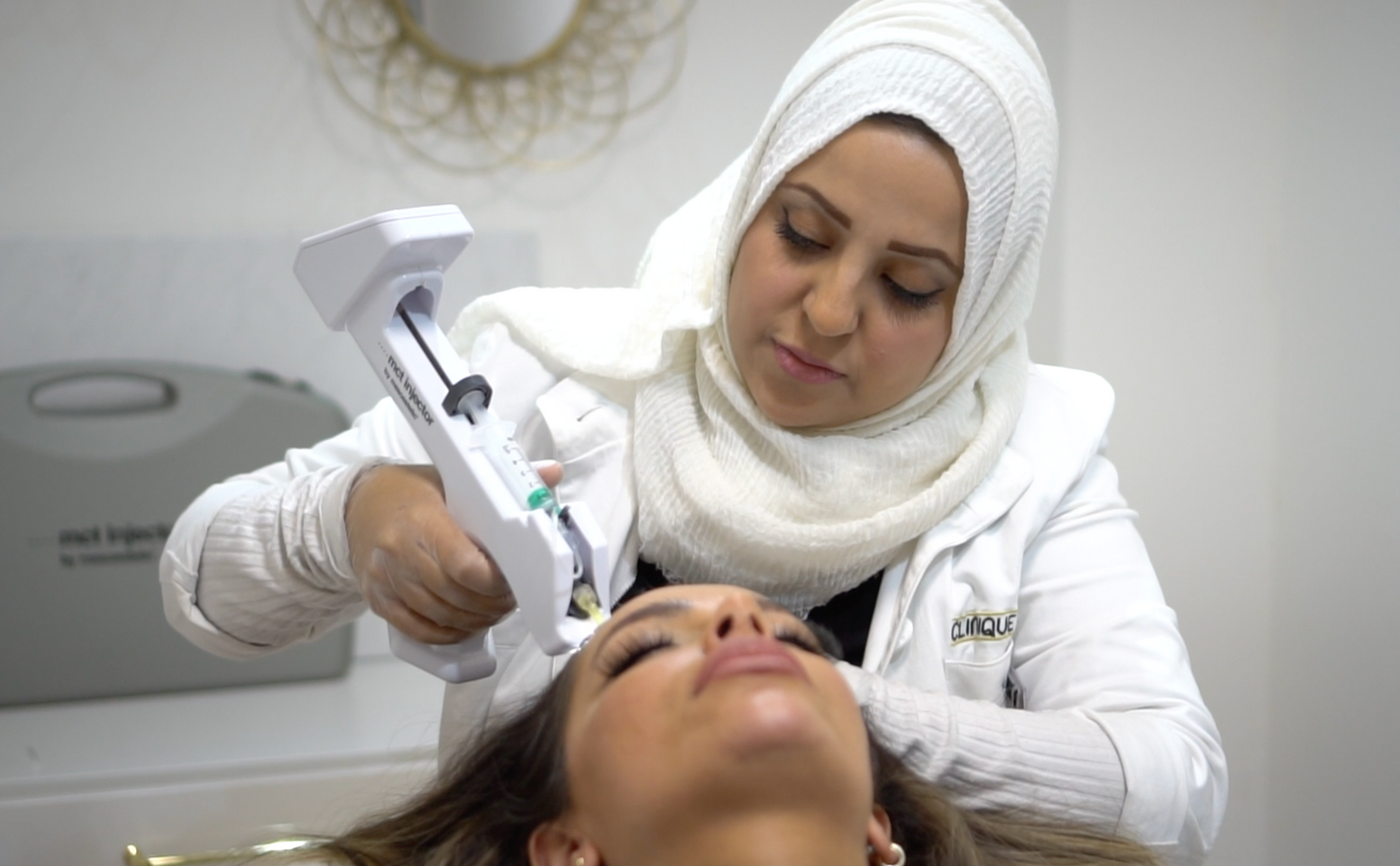
At Clinique Elixir, you can undergo mesotherapy XL Hair to stimulate hair growth. In practice, we see excellent results with all non-scarring forms of alopecia.
During an XL Hair treatment, we give your scalp the vitamins it needs. This treatment stimulates hair growth and thus reduces bald spots, thinning hair, and hair loss.
Skin scan and intake
During the initial consultation, the nature of your complaint will be discussed with the practitioner so that a personalized treatment plan can be created. A good treatment plan begins with a skin analysis using the Observ520 skin scanner. The skin therapist can provide a detailed analysis of the deeper layers of the skin. You will also receive advice on products to use at home to support and optimize the treatment. The scan results are stored and compared so we can monitor the progress of the treatment.
Would you like to know your skin type, or do you have a specific indication or question? Then schedule a free, no-obligation consultation with one of our skin therapists.
Book your FREE intake interview!
Curious about what we can do for you? Book a free, no-obligation consultation. Our skin therapist will analyze your skin and perform a skin scan. This allows us to identify underlying issues and address them effectively.
Treatments
-

Intake interview
More information -
XL Hair
More information
Ask the skin therapist!
Do you have a specific question about your skin, our products, or one of our treatments? Our skin therapists are ready to answer all your questions.