

What is a Dermamelan treatment?
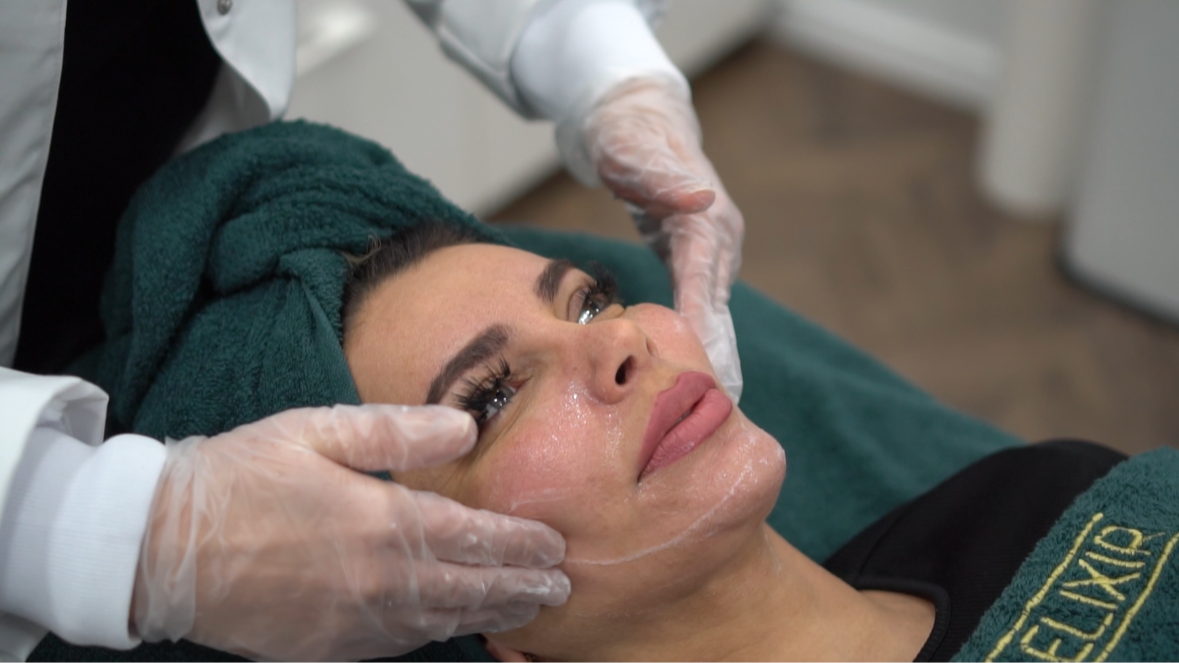
The treatment
A Dermamelan treatment is a professional pigment treatment, often performed by a skin therapist or cosmetic physician, that focuses on reducing hyperpigmentation such as melasma, age spots, age spots, and post-inflammatory hyperpigmentation (PIH). The treatment uses a specially formulated product called Dermamelan , which contains powerful ingredients to regulate melanin production and fade existing pigment spots.
Purpose of treatment
The main goal of a Dermamelan treatment is:
- Reducing pigment spots and uneven skin tone.
- Improve overall skin texture and complexion.
- Preventing the formation of new pigment spots by regulating melanin production.
Treatment process
- Preparing the skin:
- Applying the Dermamelan mask:
- Aftercare and home treatment:
Results and expectations
- The first visible results are often noticeable within 1 to 2 weeks , but the skin continues to improve for several months.
- The treatment can reduce pigmentation by 70% to 95% , depending on the degree of discoloration and skin type.
- In addition to reducing pigment spots, the skin can also feel smoother, brighter and firmer.
Possible side effects
- Redness, irritation and flaking of the skin, especially in the first week after treatment.
- A dry and tight feeling , which is normal and can be relieved with moisturizing creams.
- In rare cases, there may be a temporary worsening of pigmentation before the skin begins to improve.
Post-treatment advice
- Avoid direct exposure to the sun and use a broad spectrum sunscreen (SPF 50) daily.
- Do not use aggressive skin products such as exfoliating scrubs, retinoids or acids without consulting a skin therapist.
- Follow the aftercare plan strictly to prevent recurrence of pigmentation.
The Dermamelan treatment is an effective solution for stubborn pigment spots and offers long-lasting results, provided the aftercare is followed correctly. It's an intensive treatment best performed by an experienced skin therapist, ensuring proper guidance and follow-up.
Indications
A Dermamelan treatment is primarily used for various forms of hyperpigmentation and skin conditions where excessive melanin production discolors the skin. It is one of the most effective depigmentation treatments on the market and is often recommended for people with the following indications:
1. Melasma
- Melasma is a common form of hyperpigmentation that often occurs in women, especially due to hormonal changes such as pregnancy (also called "pregnancy mask"), use of contraception, or hormonal therapies.
- Characteristic are dark, irregular spots that often appear on the face, especially on the cheeks, forehead and above the upper lip.
2. Post-inflammatory hyperpigmentation (PIH)
- This type of hyperpigmentation occurs after inflammation or skin lesions, such as acne, eczema or a skin infection.
- PIH often occurs in people with darker skin tones (Fitzpatrick skin type IV-VI) and manifests as dark patches on the skin that are difficult to fade spontaneously.
3. Age spots (solar lentigo)
- Also called "liver spots" or "sun spots," these brown spots are caused by prolonged exposure to UV rays.
- They usually appear on areas of the skin that are frequently exposed to the sun, such as the face, hands, décolleté and shoulders.
4. Hyperpigmentation due to medication
- Certain medications can cause pigment spots as a side effect, such as some antibiotics, chemotherapy and birth control pills.
- Dermamelan can help to fade discolouration caused by medication.
5. Skin aging and sun damage
- Discolouration and uneven skin tone due to chronic sun damage or aging can be effectively treated with Dermamelan.
- It also helps to brighten the skin and create a more even tone.
6. Fitzpatrick skin type IV to VI
- People with darker skin tones (Fitzpatrick IV-VI) are more sensitive to hyperpigmentation and may respond well to the Dermamelan treatment due to its specific formulation, which is also suitable for pigmented skin types.
7. Stains due to hormonal imbalance
- Pigment spots caused by hormonal changes, such as menopause or the use of hormone therapy, can also be treated with Dermamelan.
8. Discoloration due to cosmetic procedures
- Sometimes skin treatments like laser therapy, peels, or microneedling can cause post-inflammatory hyperpigmentation. Dermamelan can help reduce this discoloration.
Contraindications
Although Dermamelan treatment is highly effective for treating hyperpigmentation, there are situations where it is not suitable or safe. Contraindications are conditions or circumstances where treatment is not recommended because it may cause unwanted or negative effects.
1. Active skin infections or skin diseases
- Skin infections such as herpes simplex (cold sores), active acne outbreaks, or bacterial infections should be treated first.
- Skin conditions such as eczema, psoriasis, or rosacea can be aggravated by the active ingredients in Dermamelan. The treatment may be too aggressive for already inflamed or sensitive skin.
2. Hypersensitivity or allergy to ingredients
- People with a known allergy to any of the active ingredients in Dermamelan (such as azelaic acid, kojic acid, arbutin, or vitamin C) may experience a severe skin reaction.
- A skin test can be done beforehand to rule out hypersensitivity.
3. Active use of isotretinoin (Roaccutane)
- People who have recently (within the past 6 months) used isotretinoin , a powerful acne medication, should not undergo Dermamelan treatment. Isotretinoin thins and sensitizes the skin, increasing the risk of complications.
4. Pregnancy and breastfeeding
- The treatment is not recommended during pregnancy and breastfeeding , as the safety of the active ingredients in Dermamelan for pregnant women has not been proven.
- Hormones during pregnancy can also affect pigmentation, which may reduce the effectiveness of the treatment.
5. Open wounds or damaged skin
- The treatment should not be performed on skin damaged by recent burns, cuts or surgical procedures.
- The skin must be completely recovered before Dermamelan can be safely applied.
6. Recently performed skin treatments
- People who have recently undergone intensive skin treatments, such as chemical peels, laser therapy, microdermabrasion, or microneedling , should wait until their skin has fully healed. Combining treatments can overwhelm the skin and increase the risk of irritation and complications.
7. Skin types with very high sensitivity (Fitzpatrick I)
- People with very fair skin (Fitzpatrick type I) are often at increased risk of hypersensitivity reactions and may be more sensitive to irritation from the treatment.
8. Autoimmune diseases and immunosuppressive medications
- People with autoimmune diseases such as lupus or who take immunosuppressive medications may be at increased risk for skin reactions and delayed wound healing.
- The treatment can disrupt the skin barrier, which can be problematic for people with weakened immune systems.
9. Too much sun exposure or tanning bed use
- If the skin has recently been exposed to excessive sunlight or tanning beds, treatment should be postponed. Tanned skin has an increased risk of post-inflammatory hyperpigmentation (PIH) and may be more sensitive to side effects.
10. Hormonal disorders that are not under control
- People with untreated hormonal conditions such as thyroid disorders or polycystic ovary syndrome (PCOS) may be more prone to persistent pigmentation problems that may not respond to Dermamelan. This must be managed first.
Aftercare & reimbursements
Aftercare following a Dermamelan treatment is crucial for achieving optimal results and minimizing side effects such as redness, irritation, and flaking. The treatment is intensive, and the skin needs time to recover. Below is an overview of the recommended aftercare.
1. Immediately after removing the mask
- The client removes the Dermamelan mask at home after the prescribed time (usually after 8 to 12 hours). This is done with lukewarm water and a mild, non-abrasive cleanser.
- After removal, your skin may feel red, tender, and warm , similar to a mild sunburn. This is normal and can last for several days.
2. Use of Dermamelan Maintenance Cream
- After the treatment, the client begins with the Dermamelan Maintenance Cream , which contains a lower percentage of active ingredients than the mask. This product helps maintain the depigmenting effect and prevents the recurrence of pigment spots.
- The cream is usually applied twice a day (morning and evening) for the first month. After that, the frequency is gradually reduced as advised by a skin therapist.
- The maintenance cream may cause redness and flaking, especially at first. In that case, use a mild moisturizer to reduce irritation.
3. Avoid direct exposure to the sun
- Protecting your skin from UV rays is essential to prevent further pigmentation. Use a broad-spectrum sunscreen with at least SPF 50 daily, even in cloudy weather or indoors.
- Avoid direct sunlight, tanning beds and other sources of UV radiation for at least 3 to 6 months after treatment.
4. Use of mild skin care products
- Use only mild, non-irritating cleansers and moisturizers recommended by your skin therapist.
- Avoid using products containing retinoids, AHAs, BHAs, scrubs, or other exfoliating ingredients during the recovery period, as these can further irritate the skin.
5. Hydration and restoration of the skin barrier
- Your skin may become dry and flaky in the first few weeks after treatment. Use a moisturizer to restore the skin barrier and prevent dehydration.
- Avoid pulling or scratching flakes as this may lead to scarring or post-inflammatory hyperpigmentation.
6. Avoid heat sources and intense exertion
- Avoid activities that can generate excessive heat , such as intense exercise, saunas, or hot showers. Heat can worsen the skin's inflammatory response.
- Also try to minimize the use of hair dryers or heat styling near the face.
7. Regular check-up appointments
- It's important to schedule regular follow-up appointments with your skin therapist. This allows the therapist to monitor treatment progress and make adjustments to the aftercare protocol as needed.
- The progress of pigment reduction can be evaluated and the intensity of the home treatment can be adjusted based on the skin reaction.
8. Long-term use of maintenance products
- For long-lasting results, it may be necessary to continue using the maintenance cream for 3 to 6 months or longer , depending on the severity of the pigmentation.
- The skin therapist may also recommend additional products to support results, such as serums containing vitamin C or niacinamide, which can help brighten the skin.
Possible side effects and how to deal with them
- Redness and flaking are normal side effects and can be relieved with a mild moisturising cream.
- Itching and a burning sensation may occur, especially in the first few days. In case of severe irritation, contact a dermatologist.
- Hyperpigmentation or scarring may occur if aftercare is not followed correctly, especially when exposed to the sun without protection.
Reimbursements
Ask your skin therapist if reimbursement is possible for this treatment.
Dermamelan: effective against pigment
Dermamelan is an intensive pigment treatment that effectively reduces stubborn discolorations such as melasma and age spots. It inhibits melanin production and evens out skin tone. By combining a professional mask with at-home treatments, long-lasting results are achieved.
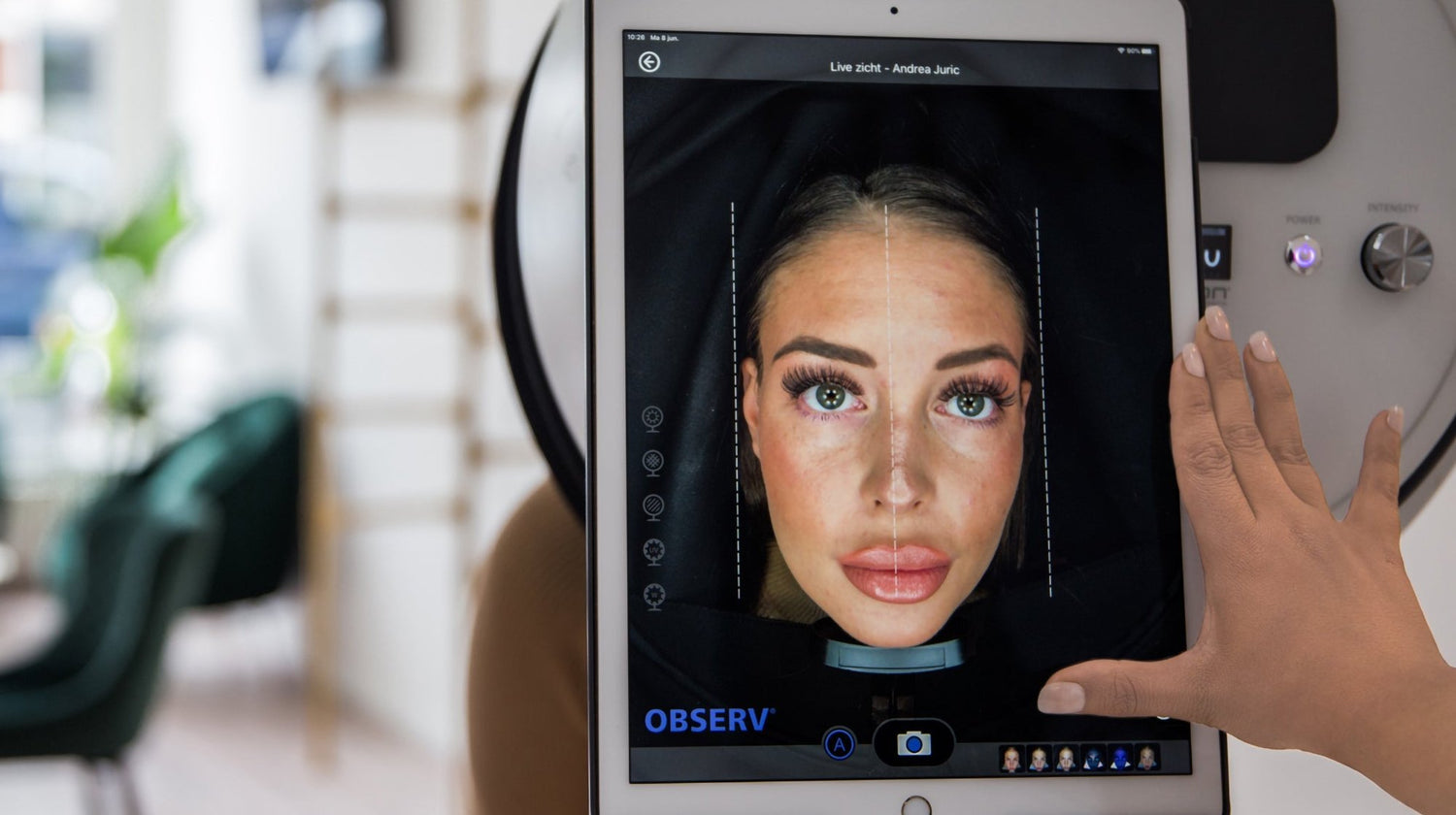
Book your FREE intake!
Curious if Dermamelan is right for you? Book your consultation now and start improving your skin today!
Ask the skin therapist!
Do you have a specific question about your skin, our products, or one of our treatments? Our skin therapists are ready to answer all your questions.